30 September 2020

Solutions To Problems By Not Spending Time Outdoors - Self Care


Not every minute of every day you spend at home has to be planned. Give yourself some time to rest. Look for constructive ways to relax. Mindfulness, deep breathing, and relaxation exercises may help you maintain your emotional health and balance feelings of isolation or frustration.


1. Carve Out Some ‘Me Time’


If you live with others, feelings of cabin fever may be intensified by the nearness of other individuals.Parents have responsibilities to children; partners have responsibilities to one another. But that doesn’t mean you shouldn’t have any time on your own.Give yourself time “away” from others to relax. Find a quiet place to read a book, meditate, or pop in some earbuds for an engaging podcast.If you’re feeling stressed, you may even want to tune in to a podcast on mental health or anxiety.


2. Bring Back the Classics


Because you have been cleaning, you  might find  various items that we haven’t seen in a while.

3. Read that Book you’ve always wanted to Read


There’s probably a book stowed away in your house somewhere on a shelf that you’ve always intended to read, but you keep putting it off because of the length or the challenge. The day to take down that book and start reading it is today.

4. Learn a New Craft and Make Something Interesting


Your home is likely loaded with materials to try out a new craft. You can learn things like origami with just paper on hand. Get out those starter kits and learn a craft. Make something simple, and decide for yourself if you want to get more advanced, or stick with another craft you’ve done for a while.

5. Discover New Music or Podcasts


The Internet offers an infinite array of free music and podcasts on almost any topic imaginable. All you have to do is find them, figure out what you like and sign up for more.

6. Learn how to Play a Musical Instrument


Always wanted to play that guitar in the closet or that harmonica in a desk drawer somewhere? Now’s your chance to take that first step. There are many tutorials on YouTube to learn how to play instruments, so just pick up your instrument, find a video and start learning how to play it!
to be required to innovate, test and iterate over and over throughout the next few weeks.


7. Decode some Puzzles


Why not make the most of the opportunity to exercise your brain and keep it sharp and keen?
There are multiple puzzle apps and brain games you can download and play with your family or by yourself. Another productive way to beat boredom and relax your nerves is reading. Fiction, non-fiction, newspapers, journals, whatever captures your fancy just read on.

8. Catch up on your Sleep


Are you always complaining about how your work doesn’t allow you to get enough sleep? Well, now you are saving up time by not having to commute to work. Ensure that you sleep for 7-8 hours and wake up with a revitalized body and mind.
Sufficient sleep will rejuvenate your body, repair any internal damages and instill positivity. Sleep is one of the best ways to keep yourself fit – physically and mentally.

9. Spring Cleaning


Now that you have plenty of time on your hands, why not organize your home? It is also advised you mop your house twice a day with a disinfected or home cleaner. We cannot stress how important it is to keep every square inch of our homes clean because many harmful viruses and bacteria spread in filth. Your health will thank you for your efforts.


10. Dance like no one’s watching


For people who exercise outdoors, working out in cloistered spaces can be a nightmare. But that doesn’t mean you can forgo on exercise! What should you do instead? Why not try dancing? There are multiple cardio-based dance choreographers that you can find online. Learn the steps and practice them. It is fun, invigorating and extremely good for your body.

20 September 2020

Solutions To Problems By Not Spending Time Outdoors - Staying Fit


1. Spine Health


  • Maintain the small intervals of sitting..“ Studies have shown that sitting 1 hour less a day can reduce upper back and neck pain by up to 54 %.” 
  • After every half an hour take a walk.
  • Do some back excercises
  • Always keep cusion at the back while sitting over a period of time.
  • Always keep your back straight. It would be great if you have an ergonomic chair that can support your back. 
  • Get up and move around for a minute or two every half hour to keep your spine in line.

2. Break a Sweat


Research has shown that people who exercise regularly are less prone to anxiety than people who don’t exercise. .The American Cancer Society recommends adults get at least 150 minutes of moderate-intensity or 75 minutes of vigorous-intensity activity each week. Moderate activities make you breathe as hard as you would during a brisk walk. Vigorous activities use your large muscle groups and make your heart beat faster, make you breathe faster and deeper, and make you sweat.

3. Physical Fitness during Online Work


Stand up or walk around while you read and answer emails and other messages on your laptop or phone.
If you can’t get outside, you can do a strength training workout at home using just your body weight or simple equipment, like dumbbells or resistance bands.
Or you can put together your own routine by focusing on a few basic but effective exercises, such as:
pushups
squats
burpees
lunges
planks

  • During conference calls, stand up and pace, or stay seated and do leg lifts, knee lifts, and toe curls. Keep a weight under your desk for bicep curls. Do standing push-ups against a wall.
  • Take a short walk during lunch, or in place of a coffee break.
  • Set an alarm on your computer or phone to remind you to take an activity break. For example, take a one- or two-minute standing or walking break every hour.
  • Make TV time active time:
  • Stand up and fold laundry while you watch.
  • Do a few simple exercises like jumping jacks or walking in place, or by doing stretches in front of the screen.
  • Make a new rule: No sitting during commercials.

4. Make Household Chores count:

  • Mop or vacuum fast enough to get your heart pumping. A 150–pound person can burn about 150 calories an hour this way.
  • Have young children or pets at home? Playing with them can burn more than 200 calories per hour.
  • Yard work and gardening are also ways to burn calories and strengthen your arm, leg, and back muscles. Pushing a lawn mower, raking leaves, shoveling, and other outdoor chores can be an effective workout.
  • Use stay-at-home time for projects you may have been putting off.  Cleaning out the garage or attic is another way to be productive and active at the same time.
  • Do squats when cleaning out closets or playing with your children. Be sure to bend with your knees and keep your back straight.

5. Other Ideas to Get Moving:


  • Take a walk outside if it’s a nice day or walk inside around the house if it isn’t. Walk fast enough to speed up your heart rate and break a sweat.
  • Walk up and down your stairs. Take every other step to give your legs a good workout.
  • Turn on the radio and dance in the house, alone or with your partner.
  • If you don’t have stairs or much open space, you can do jumping jacks, or walk or jog in place. Try to keep moving for at least 10 minutes.
  • Use hand weights or grab an object like a soup can if you’re just starting to exercise, or a jug of water if you’re stronger. Bend at your elbows to curl your hand to shoulder level. Repeat 10 to 12 times, or until you can’t do it anymore.
  • If you’re on social media or can search the internet, check for live-streaming exercise sessions or activity challenges that you can participate in.

14 September 2020

General Disadvantages of Staying Indoors


 1. Dissociation from Nature


When youths spend all their time indoors, they become dissociated from the natural world around them. This affects their knowledge of the world, and how humans interact with it. It may also adversely affect society as a whole, because that generation knows less, and may therefore care less, about the environment and public policy towards it.

2. Getting Under-Foot


Although parents may worry about their young kids or teenagers safety when outdoors, there are disadvantages to having kids indoors all day. Parents might have to spend time interceding in sibling rivalries, which outdoors would have to be sorted out by the kids themselves. Housework is also harder to do with children cluttering up the living room, and they might also look to parents to organise entertainment instead of using their own creativity to think up of games or activities.

3. Anxiety


Cooping inside for great lengths of time can build up anxiety and restlessness. Feeling restless can also make one become more irritable and upset than usual by seemingly minor things. Too much time alone and being too occupied by screen-based activities, make us withdraw from friends and loved ones, which is linked to social anxiety. The isolation imposed by staying at home leaves people feeling that they have no control over the situation. Some also seem to be unable to perform the usual duties.

4. Appetite Changes


Your circadian rhythm can also affect your appetite. As a result of being sedentary, we may feel hungrier than usual or may lose appetite. Some tend to overindulge in junk food, and some skip meals.

5. Mood Swings 


Living a sedentary lifestyle and being less social tend to have negative impacts on our moods. To be able to increase the level of serotonin, or the mood-boosting neurotransmitter, sunlight is needed. Low levels of serotonin are usually linked with mood swings and depression.


Some Topics in more depth:


A. Polluted Indoor Enironment 


People die due to indoor air pollution - According to the latest reports by the World Health Organisation, 4.3 million deaths occur in a year globally from exposure to indoor air pollution only. 12 per cent of those deaths occur due to childhood pneumonia and 34 percent occur due to people who inhale the microscopic dust particles inside the house itself. Living in damp and mouldy homes increases our chance of asthma by 40% and unless we act now we risk endangering our health as a result.

Air-conditioner doesn’t purify but makes the air inside potentially dangerous- While it may be easy to convince yourself that your air conditioner is purifying the air through its filters, the stale air that you cannot smell or see is only an illusion that is created by the chilled air indoors.  Indoor air can be up to five times more polluted than outside but 77% are unaware according to global YouGov surveyv Children’s bedrooms are often among the most polluted rooms in the house. . Your air conditioner can only trap large pollutants, not small micro-organisms, such as dust, moulds, pollen, pet dander that can cause upper respiratory tract infections, such as colds and coughs.

If you’re someone who likes to keep their doors and windows closed at all times to disallow the winter chill or the summer heat from entering, consider the repercussions of doing so.

B. Disadvantages of Online Gaming


Obviously, there are certain disadvantages to playing online. The most significant factor is, unfortunately, health. There are so many obese kids these days, and in the past, it wasn’t a very common situation. It happens because they all are mostly sitting, and lack of physical exercise becomes a severe problem for them. Also, online gamers have more and more problems with their back and eyes. It’s not a secret that the computer is the main culprit of this problem.
On top of that, playing online games may oftentimes result in addiction. In such cases, gamers can’t imagine their life without a particular game. In the most extreme cases, it can lead to serious health problems. Scientists also found that people who spent way too much time online have difficulties when it comes to social interaction, and are more prone to depression and anxiety.

C. Disadvantages of Working from Home


Willpower- Gotta get jamming on this new project, but Netflix says you still have 4 episodes of Tiger King to watch...
Difficulty sticking to a routine- The order you do things at work is almost never the order you do things at home. It can be tough to mirror your schedule and processes once outside the office.

D. Disadvantages of Being Alone


Being Alone Makes Us Vulnerable to Our Inner Critics- Being alone with our thoughts isn’t always a good thing. Isolation can be the perfect breeding ground for negative, self-critical thoughts. We all have an inner critic, a nasty coach that lives inside our heads and seeks any opportunity to criticize us. These “critical inner voices” tend to multiply when we are left alone with our thoughts. The “critical inner voices” tend to be at their worst when we are not only alone, but are also feeling lonely.  At these times, the inner critic tells us that something is wrong with us and we don’t belong around other people. In this sense, we are our own worst enemy.

Being Alone Can Lead to Painful Loneliness-It is important to distinguish between time spent happily alone and time spent feeling lonely. Feeling lonely can trigger feelings of being unloved or unlikeable, which can lead us to turn on ourselves. Feeling lonely is actually painful on a physical level, as well as emotional level

Being Alone/Lonely Can Lead to DepressionTime- spent alone and feeling lonely can lead to depression. In fact, studies now show that a lonely brain is structurally and biochemically different. When someone is lonely, their neural responses to positive images and events get suppressed, so the world is perceived through a negative filter. We are more likely  to believe that things are hopeless when we are lonely. This makes it more difficult to summon up the energy and bravery to find happiness and change.

Being Alone Can Be Bad for Our Health-Too much time alone is bad for our physical health. Studies have found that social isolation and loneliness can increase the likelihood of mortality by up to 30%. Researchers claim, “Being socially connected is not only influential for psychological and emotional well-being but it also has a significant and positive influence on physical well-being and overall longevity.” It is important to maintain strong social connections, even if you prefer to spend a majority of your time alone.

E. Effect on Health


People who are inactive in their childhood tend to have worse health in their adulthood than those who were not. All youths need an hour of moderate or vigorous exercise per day, at the minimum, and staying indoors makes this difficult to achieve. Failure to get this exercise can cause reduced bone strength, reduced cardiovascular health, reduced respiratory health metabolic problems more likely. Staying indoors all day may fuel insomnia. 

“By staying indoors, we tend to spend a lot of time sitting on the couch or bed. A sedentary lifestyle puts a lot of intradiscal pressure on your spine leading to back pain and disc issues. Sitting puts up to 275 kgs of discal pressure on your spine which is 2X more than standing. Studies have shown that sitting 1 hour less a day can reduce upper back and neck pain by up to 54 %” 

Spending too much time indoors can cut off your body’s supply of healthy gut bacteria, which can throw you off in a number of ways. Going outdoors,” Lovebug Probiotics explains, “increases your gut microbiome’s diversity simply by exposing you to a wider variety of good bacteria strains. In turn, a more diverse microbiome tends to be a healthier, more balanced one.” Having good gut health can also help stave off many of the other maladies on this list!

Staying indoors puts a lot of pressure on your spine and may lead to back pain and posture issues. Sitting puts huge stress on your back muscles, neck, and spine; slouching makes it worse.

F. Skills for the Future are Affected


When youth are allowed to create and explore in the world around them -- instead of limiting themselves to indoor activities -- they can develop more competencies that lead to enhanced confidence and the ability to meet future challenges.You’re more likely to smoke and drink, especially if you are a teenager.Teenagers suffer from a higher propensity to smoke cigarettes and drink alcohol the more time they spent indoors. The consequence has resulted in an increase in the number of cases of teenagers with lower back pain. A study in the Journal of Public Health indicates that adolescents who experience back pain more frequently are also more likely to smoke cigarettes, drink alcohol, and report problems like anxiety and depression. Adolescent back pain may play a role in characterising poor overall health, and risk of chronic disease throughout life.

8 September 2020

Psychological Benefits of Spending Time Outdoors-


Anxiety, depression, and other mental health issues may all be eased by some time in the great outdoors - especially when that's combined with exercise. This is to be expected, as both greenery and exercise are known to reduce stress. Research has shown that spending more time outdoors is linked to higher levels of concentration, creativity, and improved mental clarity. All of these perks lead to better work performance.

We’ll detail a few points for your effective understanding -

1. It’s Social


When you get outside your house, it’s not only Mother Nature you see. You also connect more with the people and places in your community. Human contact and a sense of community are important to your mental health. Plan a walking route to a friend’s house, and then to the park to do some exercise. Finish up at the local coffee shop. You might be surprised how good it makes you feel.

2. Feel Better about Yourself


As little as 5 minutes of outdoor activity can help improve your self-esteem. This is especially true if you’re near water or green space. And it’s not high-intensity exercise that does it best. More relaxed activity like a walk, bike ride, or work in the garden seems to work even better. Being outside can increase your endorphin levels, especially if you’re in a place that makes you feel happy. For some, that might be walking by a river, for others it may be spending time outside with friends, it may even be doing physical sports.

3. Improved Memory


Studies have found that spending time in nature can help improve memory functions – especially short-term memory. Research from the University of Michigan found that walking in a park or even viewing pictures of nature helped improve both memory and attention span. Walks in nature boosted working memory much more than walks in urban environments.

4. De-Stressing Effect


Something about being outside changes the expression of stress in the body. One study found that walks in the forest were specifically associated with decreased levels of anxiety and bad moods, and another found that outdoor walks could be "useful clinically as a supplement to existing treatments" for major depressive disorder.

‘When we spend time in these places the noises, textures, the light and smells of nature are a naturally conducive message for the brain to slow down. ‘An added advantage is that it also supports an increase of serotonin and dopamine. These are the feel-good hormones, helping you feel calmer and happier.’ Proximity to nature – whether that’s hiking in a vast open landscape, taking a stroll through a local park or surrounding ourselves with plants – helps us destress. The effect is so strong that just looking out of your window and observing greenery can lower stress levels.

5. Lessens Anxiety


Even a simple plant in the room, or pictures of nature, can make you feel less anxious, angry, and stressed. But it’s better if you get out of that room and go out. Exercise is good for anxiety too. But it’s even better if you do it outside, compared to inside a gym. Sunlight helps keep your serotonin levels up. This helps raise your energy and keeps your mood calm, positive, and focused. ‘Research shows that when people spend more time outside, it reduces anxiety levels and improves mood,’

6. Boosts Your Creativity


Do you have a knotty problem you can't solve? Struggling with writer's block? Spend time outside. Studies show that time in nature can boost your creative problem-solving abilities. This is partly because the outside world engages your attention in a quieter way that lets your attention refocus. The more time you spend, the bigger the benefit, but even just "getting out for some air" can nudge your brain into a new thought pattern. ‘Fresh air and space can give you a better perspective and has been proven many a time to be good for your well-being,’


7. Improved Concentration


It makes sense, if only for the bit of exercise you get when you do something outside. But studies show that it’s not just the activity, it’s the “greenness” of the outdoor space. In one study, kids with ADHD were able to concentrate better on a task after a walk in the park than they were after a walk through an urban area

4 September 2020

Physical Benefits of Spending Time Outdoors


1. Sunlight Exposure


You miss a lot when you surround yourself with walls, and sunlight tops the list. Bringing more sunlight into our homes and workplaces can contribute improved health.

Vitamin D Production


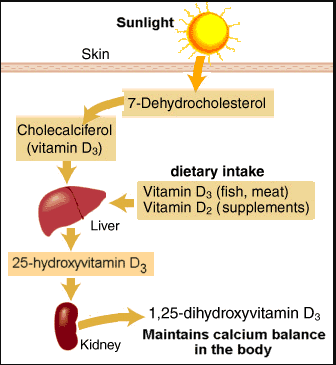
Going outside gives you a good dose of vitamin D. Vitamin D is called the sunshine vitamin because sunlight hitting the skin begins the circuitous process — the liver and kidneys get involved — that eventually leads to the creation of the biologically active form of the vitamin Sunlight triggers the body’s vitamin D production, which important for your bones, blood cells, and immune system and helps us fight off inflammation, lowers blood pressure and improves brain function. By the chain reaction that sunlight has on your body - with vitamin D, the cholesterol in your body is then able to help the body absorb calcium. Many vitamins are obtained through food, but vitamin D is absorbed in your skin by what’s known as a photosynthetic reaction from sun exposure. If you’re never, ever out in the sun, then you’ll definitely be lacking this important nutrient unless you add supplements to your diet. It’s pretty much impossible to get the quantities of vitamin D necessary just in food. Very few foods include vitamin D and the ones that do have it in very small quantities. Some argue that Vitamin D obtained from supplements aren’t as good as those synthesized by the sun. Vitamin D is essential for supporting bones and also protects against chronic morbidities like cardiovascular diseases and diabetes.


Circadian Clock


Exposure to sun-strength rays helps calibrate your body’s circadian “clock”,  

"Exposure to light-dark cycles is an absolutely crucial part of our biology as it regulates everything from appetite and sleep schedules to mood and energy levels, and that's due to the role of light in resetting our circadian clock each and every day “"It resets our clocks to be in tune with environmental time, and light is the primary time-cue. Light is an acute stimulant which directly alerts the brain. If you're exposed to brighter and bluer light in the daytime, then you get a better stimulant effect. Cells in your eyes need enough light to get your body’s internal clock working right. Early morning sunlight in particular seems to help people get to sleep at night. This may be more important as you age. 

2. Immune System Boost


The cellular activity that is associated with a forest's possible anti-cancer effects is also indicative of a general boost to the immune system you rely on to fight off less serious ills, like colds, flus, and other infections. Many plants put substances, including organic compounds called phytoncides, into the air that seem to boost immune function. 

Sunlight also seems to energize special cells in your immune system called T cells that help fight infection. Becoming one with nature might have some amazing effects on your immune system. One study showed that adults who hiked twice a day for three days increased their white blood cell count by 40%. With all these other salutary effects, it's no surprise that outdoor time — which usually involves walking — lowers blood pressure too.

3. Reduced Inflammation


Inflammation is a natural process the body uses to respond to threats like damage (e.g., a stubbed toe) and pathogens (e.g., exposure to the flu). When inflammation goes into overdrive, it's associated with a wide range of ills, including autoimmune disorders. Spending more time outside could help naturally reduce pain! A 2012 study found that students who were asked to spend time forest bathing had lower levels of inflammation than their counterparts who spent time in the city. 


4. Fitness


Even when strolling around, this is still a moderate movement that gets your heart beating faster and blood pumping more frequently. ‘This is good for keeping your body healthy, promoting consistent weight loss and management and improving blood pressure and heart health too. ‘Taking just 30 minutes a day to take a walk outside – especially if you spend a long time inside – can seriously improve your health.’

Walking outside makes you more likely to exercise, especially if you’re a kid. You don’t need a gym membership, transportation, or special equipment: Just walk right out your door. You can do many gym exercises at your local park with a simple incline, pull up bar, or set of steps. 


5. Eliminate Fatigue


You know that feeling when your brain seems to be sputtering to a halt? Researchers call that "mental fatigue. “One thing that can help get your mind back into gear is exposing it to restorative environments, which, research has found, generally means the great outdoors. One study found that people's mental energy bounced back even when they just looked at pictures of nature. 

6. Possible Anti-Cancer Effects


Research on this connection is still in its earliest phases, but preliminary studies have suggested that spending time in nature - in forests, in particular - may stimulate the production of anti-cancer proteins. The boosted levels of these proteins may last up to 7 days after a relaxing trip into the woods.

7. Better Vision


At least in children, a fairly large body of research has found that outdoor activity may have a protective effect on the eyes, reducing the risk of developing near-sightedness (myopia).

8. Energy Boost


According to research from the University of Rochester, 90% of people experience increased energy just by participating in outdoor activities. This boost of sudden energy can help inspire you to be more active, too! 


1 September 2020

Introduction

Life indoors is something that we all have never pondered over much. Outdoors has become an inseparable part of our lives. The reason may be that we think that life exists outdoors. This affects our perception and behavior such that staying indoors becomes less of an attitude, and more of a task. Staying in contact with other people, not only relieves boredom but is also a crucial part in reducing the sense of isolation and talking to others who are experiencing the same thing-provides a sense of unity and empowerment.

Some say that people don’t like to be at home cause its boring. Some say that it’s their work routine to be out and it’s a habit now for them. While some theories suggest that when people are not happy from within, they are more likely to move out in the bigger world i.e. Outdoors.  When people are not able to be alone with themselves, they want to be out for company, or a drink or food or maybe just a stroll in the neighborhood. Apart from medically unfit who are prescribed to walk for a mile. It was found that the experience can cause post-traumatic stress symptoms, confusion, depression, numbness, grief, anger, and insomnia but certainly it has no long-term effects as it has also been stated. 

Even though, we differ in terms of our appearance, personality, how we were raised, and our perception of the world but the most important thing is changing your habits and adapting to a new lifestyle where we are happy as we are, where ever we are indoor or outdoor or in quarantine, doesn’t matter. This is definitely a new way to live. It like transforming yourself (so-called doing Human Revolution) into a new Self who can adapt into any situation and come out cheerfully, joyfully and with energy and vigor. Our blog is made for helping you to do that human revolution and become a self that is more capable than yesterday. Along with that we also have varied ideas on how you can spend quality time with your near and dear ones like friends, family, neighbors etc.  either be your children or parents. With lot of family activity ideas, you can go through changes more conveniently to an extent where we will not regret but rather, appreciate the situations when we are unable to go out by staying indoors chatting, doing creative activities, and lots of things with parents and children.